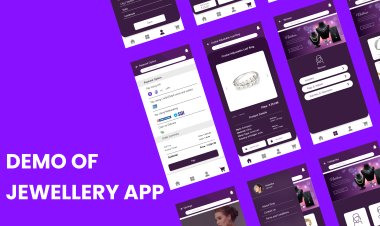



Jewellery Shop App Development & App business model.
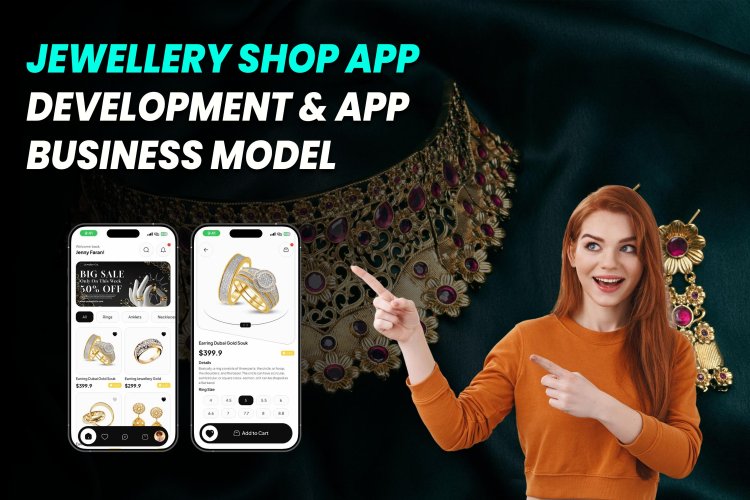
A Guide to Developing a Modern Jewellery App. When diving into jewellery shop app development, it’s all about blending eye-catching design with user-friendly features. A solid app business model often incorporates varied revenue streams like direct sales, subscription services for exclusive access to new collections or discounts, and partnerships with local artisans.
 Mera Template



Jewels at Your Fingertips: A Guide to Developing a Modern Jewellery App
In today’s digital era, luxury experiences now have to unfold with the same smoothness as a swipe or a tap. Once anchored in in-store grace and client trust, the jewellery sector is now moving into a new chapter—bringing jewellery to your fingertips via thoughtfully designed mobile apps.
Creating a contemporary jewellery app is more than uploading merchandise to an e-commerce platform. The idea is to virtually re-create the warmth, reliability, and savoir-faire customarily found in a showroom. This is how to get it right.
- Learn all about your target audience.
A jewellery app usually appeals to high-intent shoppers—people searching for engagement rings, wedding set collections, gifts, or investment pieces. Such customers give precedence to visual appeal, authenticity, and trust. These very values must be embodied in both the app’s design and its functionality.
- Must-have Features
Superior-Quality Images & 360° Views: jewellery customers want to review every perspective. Provide high-definition images with zoom capability and videos.
Virtual Try-On: Apart from employing AR to enable shoppers to preview rings, necklaces, or earrings on their own avatars, it also facilitates images captured with the device’s camera.
Product Filters: Provide filters by metal, stone, price range, style, and occasion to facilitate smooth navigation.
Printing
Wishlist & Favorites: Many users have the habit of browsing prior to purchasing. Enable them to store items for a future return.
Live Chat & Consultation Booking: Replicate the personalized attention of a showroom by providing instantaneous assistance.
- Integration of the back-end and CMS
Managing inventory updates, product descriptions, and pricing ought to be handled through a powerful backend system. Routine your operations by integrating your POS or ERP solution.
- User Experience and Design
A jewellery app ought to convey luxury. A tidy interface, refined typography, golden highlights, and intuitive navigation combine to mirror your brand’s high-end character.
- Trust Signals
Add customer reviews, trust badges, return policies, and certification logos (e.g., BIS, GIA) to reassure online shoppers.

From Sparkle to Scale: Monetization Strategies for Jewellery Apps
For decades, the jewellery sector has been synonymous with luxury, elegance, and privacy. Yet the migration of purchasing toward digital has prompted jewellery brands to adopt mobile applications in greater numbers to widen their reach and drive revenue growth. Although displaying that sparkle is essential, the real challenge for scaling a jewellery app is selecting the optimal monetization strategies.
Take a look at how jewellery apps can move past exhibition displays and convert downloads into steady revenue.
- Direct Product Sales
This simplest approach entails shoppers browsing, choosing, and buying merchandise directly inside the app. Facilitating repeat purchases is all about increasing loyalty, and this can be supported by loyalty programs alongside app-exclusive discounts.
- Exclusive premier releases
So, make limited-release collections or grant early access to new lines only through the app. In turn, it instills a feeling of exclusivity and urgency, particularly among collectors and bridal shoppers. Time-bound releases tend to trigger surges in both traffic and revenue.
- Personalized Recommendations, together with Upselling
By analyzing AI and customer data, apps can curate recommendations tailored to browsing habits, past purchases, or style inclinations. Displaying complementary sets—for example, pairing a bracelet with a necklace—can raise the average order value (AOV).
- Appointments and Consultations
ULT Earn extra income while boosting your brand’s service suite by levying a low charge or bundling it into a premium tier.
- Subscription Models
Certain jewellery labels provide memberships or subscription levels that grant members such benefits as exclusive discounts, priority access, bespoke care services, and special birthday gifts. A low monthly or yearly subscription fosters stable recurring revenue and fortifies customer loyalty.
- Affiliate Partnerships
The app may showcase curated lifestyle pieces—such as fashion lookbooks or gifting guides—while generating affiliate revenue by cross-promoting products like luxury watches, designer bags, or beauty items.

Gold Meets Growth: Profitable Business Models for Jewellery Apps
In today’s Era of Mobile-First Commerce, jewellery has broken free from its velvet cushions and glass displays. As the growing majority of shoppers now navigate and purchase luxury goods via mobile apps, the jewellery industry’s digital transformation is now well under way. Yet apart from letting beautiful designs shine, a jewellery app has to rest on a solid, revenue-generating business model to flourish and grow within a crowded marketplace.
Now, let’s look at the most efficient business frameworks driving the expansion of modern jewellery apps.
- An openness to new technologies prevails within the direct-to-consumer (D2C) e-commerce model.
Virtually everyone’s favorite straightforward option, the model enables brands to sell their jewellery directly through the app. D2C likewise grants brands full control over pricing, branding, and customer ties.
- Blending Online-To-Offline (O2O)
A significant share of jewellers employ apps to increase foot traffic at their physical stores. Users may peruse the collections online, arrange appointments, or secure items for reservation, then come into the store to view them in person. This hybrid model fosters trust—particularly for high-value purchases—while sustaining high levels of digital engagement.
- Subscription-Based Memberships
Apps can also provide premium services and membership levels that charge a fee. Such perks can range from an exclusive preview of collections and early-access to sales, to complimentary cleaning services and personalized jewellery styling. In turn, it secures recurring income and nurtures a loyal base of high-value customers.
- The Marketplace Aggregator Model
The model embeds several jewellery merchants or brands into a single app and collects a commission for every sale. It suits startups that lack warehouse stocks and owned platforms and are looking for variety. The difficulty is in sustaining uniform standards of quality and customer trust among the vendors.
- Custom Design
By providing customizable jewellery capabilities, the platform enables its users to design items tailored to their individual preferences. For customised pieces, the app levies design fees or sets a higher price point. Consumers on the hunt for unique pieces and a more profound emotional bond with their purchase are attracted by this model.
- Try-Before-You-Buy or Rental Models
For trend-focused or budget-conscious users, jewellery rental services—especially for weddings or special events—can be monetized through rental fees or refundable deposits. This model supports sustainability and broadens the customer base.
My Contact Number is +91 95187 40169